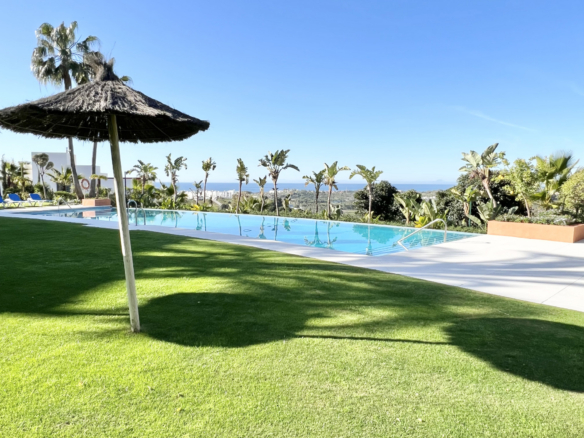
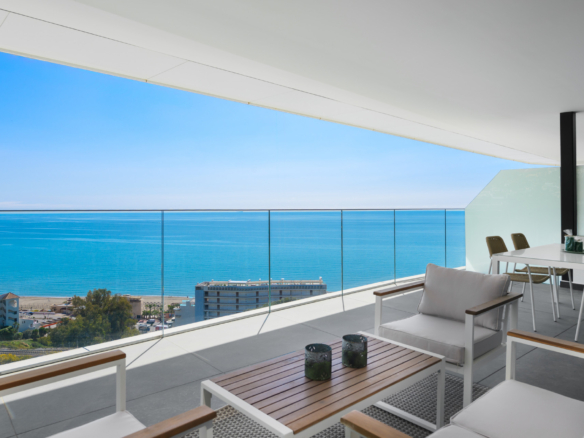
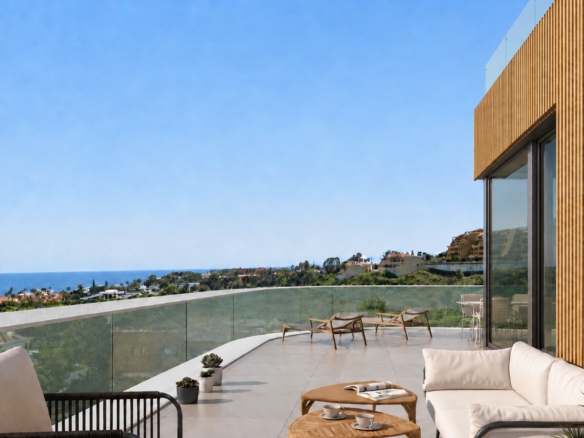
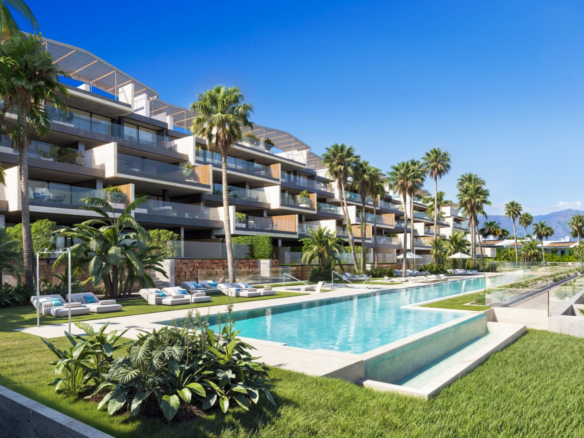

Retiring in Málaga can mean morning walks beside the Mediterranean, lunch outdoors in winter, international connections, and homes ranging from historic city apartments to villas overlooking the coast.
But choosing a property is not the first decision you should make.
A successful retirement on the Costa del Sol begins by connecting your residency status, healthcare, finances, lifestyle, and long-term housing needs. Málaga, Marbella, and Mijas may share a coastline, but they offer different versions of everyday life.
There is no universal “right place to retire:” the right one will be where your budget, mobility, social life, healthcare needs, and preferred routine work throughout the year. These seven decisions will help you approach retiring in Málaga with that longer-term view.
🧐 1. What Will Retirement Actually Look Like?
Before comparing locations or properties, define what “retirement” means to you.
Will you stop working entirely, or keep a board position, manage investments, or consult occasionally? Will Málaga become your permanent home, or will you divide the year between countries? Are you moving alone or with relatives who have different residence and healthcare needs?
Relocating entails a set of decisions around lifestyle, intended activities, nationality, income, and time in Spain, and pulling one string can affect the others and, in turn, your residence route and tax position.
EU, EEA, and Swiss citizens staying longer than three months must register and meet the applicable conditions, whereas non-EU citizens need an appropriate immigration route. A non-lucrative residence visa is commonly used by retirees with sufficient resources who will not work. But if you plan to continue qualifying remote work, Spain’s international telework authorization may be a better option for your specific case.
Buying a home and obtaining residence are separate processes. Spain ended residence visas linked to property investment in April, 2025, so a property purchase no longer creates the right to live in Spain. Make sure you establish your legal pathway before allowing a property purchase to drive the plan.
🗺️ 2. Should You Retire in Málaga, Marbella, or Mijas?
The best places to retire on the Costa del Sol cannot be ranked without knowing how you want to spend an ordinary Tuesday in January.
🏙️ Málaga: Urban independence and year-round culture
Málaga suits people who want Mediterranean living without giving up city infrastructure. Its historic center, markets, museums, restaurants, hospitals, and coastal neighborhoods support an active life throughout the year.
It is also the easiest of the three locations for living with less dependence on a car. Málaga María Zambrano station provides high-speed and regional rail, while the C-1 commuter line reaches Málaga-Costa del Sol Airport. The airport currently serves around 160 destinations—useful if family visits or European travel will form part of retirement.
The trade-off is density. Central apartments offer amenities within walking distance but less outdoor space, while larger homes in eastern neighborhoods can require a higher budget and more driving. Málaga is an urban community rather than a resort environment.
💎 Marbella: International networks and premium coastal living
Choosing Marbella means choosing a polished, service-led version of coastal life, combining beaches, golf, private clubs, dining, healthcare, and established international communities. At the beginning of 2026, its registered population represented 155 nationalities.
Property options vary between Marbella town, the Golden Mile, Nueva Andalucía, San Pedro de Alcántara, and hillside developments. A central apartment may place the promenade within walking distance; a villa may provide privacy while making a car essential.
The downside is Marbella is not connected to the C-1 railway. If airport access, medical appointments, or trips into Málaga are priorities, test those journeys at realistic times. Marbella suits retirees who value privacy, golf, an international social scene, and premium services—and are comfortable paying for that convenience.
🌿 Mijas: Space, variety, and a slower rhythm
Mijas is not one uniform destination. Its three principal centers are hillside Mijas Pueblo, coastal La Cala de Mijas, and Las Lagunas, the commercial and urban center beside Fuengirola.
Mijas Pueblo offers traditional architecture and a village atmosphere. La Cala provides beaches, restaurants, and a coastal path. Las Lagunas is more practical and commercial, with proximity to Fuengirola.
Mijas appeals to retirees seeking space, outdoor living, and a slower pace, but transport deserves attention. The C-1 railway ends in neighboring Fuengirola rather than serving Mijas directly, and a car is often the most practical option.
Across all three locations, compare neighborhoods rather than relying on the municipality’s reputation. Walkability, elevation, road access, winter sunlight, and proximity to healthcare can vary within a few kilometers—and may affect daily life more than the name in the address.
🏡 3. Should You Rent Before Buying?
A place that feels perfect during a week in June may feel different during an ordinary winter month. Before buying a property, rent long enough to observe the area rather than simply visit it. Renting at the beginning will provide you the flexibility you need to test the location.
Test the walk to shops, the drive to a hospital, traffic, noise, parking, and access to social activities. Notice which services remain open outside peak season. In an urbanization, learn how occupied it feels throughout the year.
Renting first can prevent an expensive correction and distinguish a place you enjoy visiting from a neighborhood that supports your retirement.
💶 4. What Does Buying and Owning a Home Cost?
When buying a home on the Costa del Sol, the advertised price is only the starting point.
Under current Andalusian tax rules, the general Property Transfer Tax rate on a resale property is 7%. New homes are generally subject to 10% VAT, together with Andalusia’s general 1.2% Stamp Duty rate. Buyers should also plan for notary and registration expenses, professional advice, insurance, mortgage costs if needed, and any renovation or furnishing required.
Then consider local property tax, community fees, utilities, maintenance, security, and management during periods away. These costs differ substantially between a central apartment and a villa.
Your wider financial plan matters too. Relocating may change where you are tax resident and how Spain treats pensions, investment income, property, and assets held abroad. Review the timing of the move with advisors familiar with both Spain and your current jurisdiction—ideally before selling assets, drawing retirement benefits, or committing to a completion date.
Tax rates and personal circumstances can change the final calculation, so obtain an individualized estimate before signing a reservation or deposit agreement, and before relocating completely.
⚖️ 5. Which Legal and Technical Checks Should You Complete on a Property?
Sea views and natural light matter, but they cannot reveal a property’s legal or technical condition.
Independent due diligence should confirm ownership, charges, planning status, community debts, permits, and restrictions. Spain’s public administration recommends obtaining a nota simple from the Land Registry to review ownership and encumbrances. A technical inspection can identify structural problems, moisture, aging systems, or undocumented modifications, but rarely will it be enough.
The inspection should also consider future usability. Stairs, steep access, bathroom layouts, elevator reliability, and the distance from parking may become more important over time. The home should support both the retirement you imagine now and the life you may need later.
🏥 6. How Will Healthcare Work?
Healthcare arrangements depend on your nationality, residence route, and existing entitlements. Some European pensioners may be able to transfer healthcare rights to Spain under social-security coordination rules. Other residents will need private insurance, particularly when their visa requires qualifying coverage.
Holiday coverage may not be sufficient after relocation. The European Health Insurance Card covers medically necessary care during temporary stays, but it doesn’t replace healthcare arrangements when you relocate to Spain.
Before choosing a neighborhood, identify nearby primary care, hospitals, specialists, and pharmacies. Consider emergency support, and how you will reach appointments. Access on a map is not always convenient access in daily life.
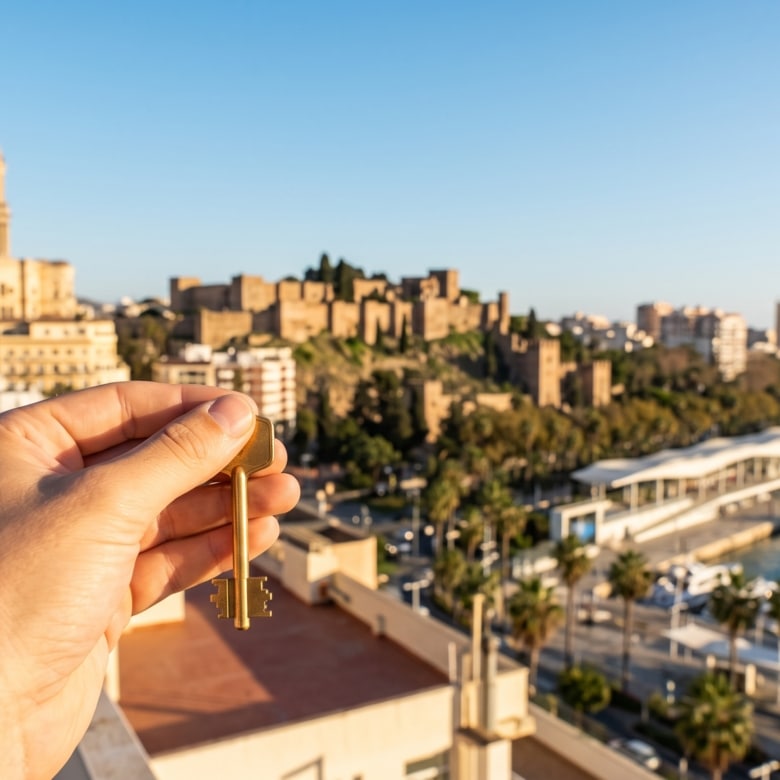
🔑 7. What Happens After You Receive the Keys?
Receiving the keys is one of many milestones, but not nearly the end of the relocation process.
You may still need to complete local registration, activate utilities and Internet, arrange insurance and security, register for healthcare, address your driving license, furnish the property, and plan for maintenance while traveling. Coordinating several providers and appointments in another language can quickly consume time.
An integrated relocation service in Málaga avoids treating the purchase, paperwork, and home setup as separate projects. One local team can coordinate area discovery, property search, legal checks, inspections, settlement, and more.

🌅 Turn Retiring in Málaga Into a Coordinated Plan
It’s easy to think of reasons why retiring in Málaga, Marbella, or Mijas will be the right choice. But the “right choice” will depend on the lifestyle you want, your immigration route, and your needs as regards community, healthcare, finances, and mobility. Making your relocation happen can seem like a complex process, but with the right advice and plan, it’s a lot easier than it seems from the outside.
There’s no need to solve every detail today. You only need to identify the decisions that belong now, the ones that can wait, and the specialists you will need along the way.
Ready to start your Málaga retirement journey?
Contact WhyMalaga to discuss your retirement plans and create a personalized strategy for finding, buying, and settling into your home on the Costa del Sol.